
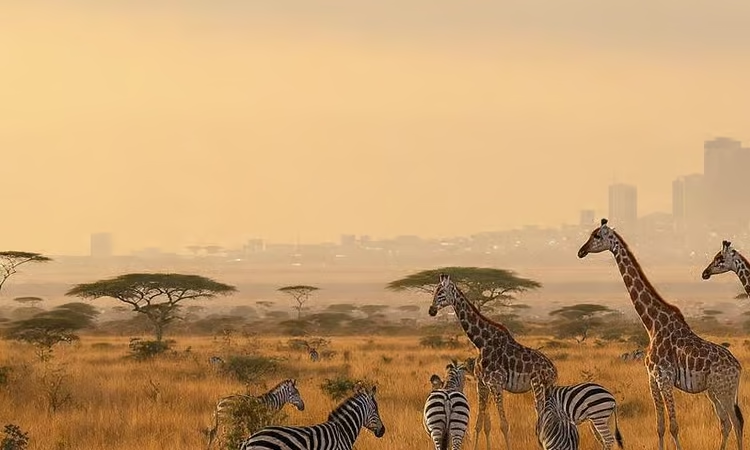
Located about 7 km (4.3 miles) south of Nairobi City Centre, the Nairobi National Park is a unique wildlife destination in Kenya and the only place in the world where you can go for a game drive without leaving the city. The park was established in 1946 making it the first national park in Kenya, and it covers an area of approximately 45 square miles (117 square kilometers).
The park is roughly bounded by Magadi Road to the west, Langata Barracks and South C to the north, Mombasa Road along its eastern perimeter, and the Mbagathi River along its southern boundary.
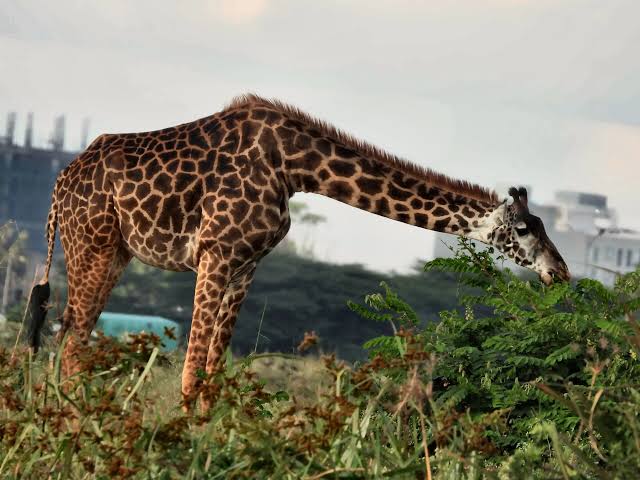
Nairobi National Park is fenced on three sides, including its northern, eastern, and western boundaries. The southern boundary remains open, allowing wildlife to move between the park and the adjacent Kitengela plains. During the dry season, herbivores gather within the park in search of water and grazing.
The park forms an important protected part of the wider Athi-Kapiti ecosystem and contains a diverse range of habitats and wildlife species. Its location close to Kenya’s capital makes it possible to experience a genuine African wildlife safari while staying closer to the city.
The park consists of open grass plains, scattered acacia bush, woodlands, wetlands, rivers and otherhabitats that support a wide variety of wildlife. Animals commonly encountered include lions, leopards, hyenas, cheetahs, buffaloes, giraffes, zebras, wildebeest and rhinoceros, together with a diverse range of bird species.
Despite being relatively small compared with many other national parks in Kenya, Nairobi National Park supports a large and varied wildlife population and is particularly important for the conservation of black rhinoceros.
Activities in Nairobi National Park
There are several activities in Nairobi National Park for visitors to enjoy, from wildlife viewing and bird watching to picnicking, photography, and visiting important conservation sites.
The main activities in Nairobi National Park include:
- Bird watching
- Game viewing and game drives
- Wildlife photography
- Visiting the Ivory Burning Site Monument
- Walking at the Hippo Pools and designated trails
- Picnicking
- Visiting Nairobi Safari Walk
- Scenic viewing and nature experiences
Bird Watching in Nairobi National Park
Bird watching is one of the most popular activities in Nairobi National Park. The park is home to more than 400 bird species, including resident birds and seasonal European migrants, making it an excellent destination for a day birding tour in Kenya.
The different habitats found within Nairobi National Park provide suitable environments for many bird species. Birds can be spotted in the savannah grasslands, open woodland, bushed thickets, wetlands, and other areas of the park.
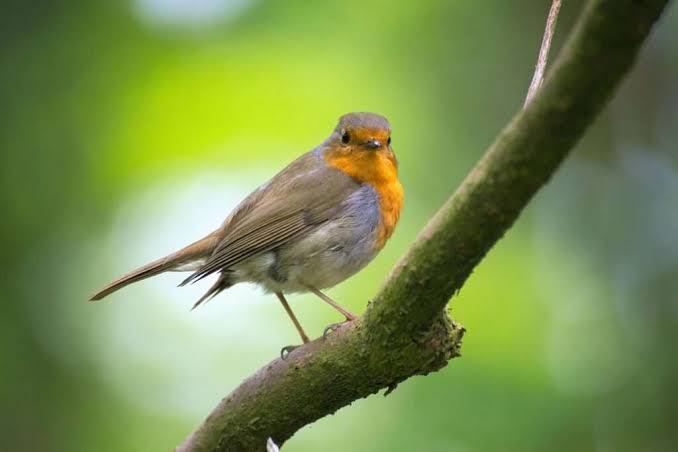
Bird species that may be seen include the African Crowned Eagle, Kori Bustard, Secretary Bird, African Skimmer, Grey Crowned Crane, Bateleur, Augur Buzzard, Martial Eagle, Fox Kestrel, African Fish Eagle, and many others.
During a productive birding day, visitors may see a large variety of species, particularly when exploring different habitats throughout the park.
Bird watching in Nairobi National Park can be enjoyed throughout the year. Visitors interested in birding may consider spending a full day in the park so that there is enough time to explore different areas where interesting bird species may be found.
A 4×4 vehicle is useful for covering different terrains and reaching areas where particular bird species may be found.
What to Carry for Bird Watching in Nairobi National Park
Recommended items to carry for a Nairobi National Park bird-watching excursion include:
- Binoculars
- Camera
- Cap or hat
- Sunscreen
- Insect repellent
- Drinking water
- Snacks
- Bird identification guide
- Comfortable clothing
A camera and binoculars are particularly useful for visitors who want to identify and photograph the different bird species encountered during the safari.
Game Viewing in Nairobi National Park
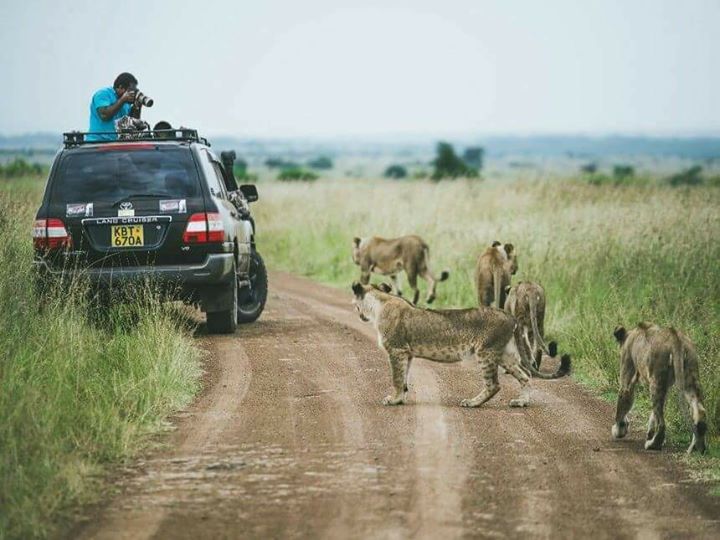 Game viewing is another major activity in Nairobi National Park. Despite its relatively small size, the park contains a variety of habitats that support a wide range of wildlife.
The park is particularly famous for its black and white rhinoceros and is an important rhino conservation area in Kenya. Visitors may also encounter four of the Big Five mammals: lion, buffalo, leopard and rhinoceros.
Other wildlife found in Nairobi National Park includes:
- Eland
- Impala
- Zebra
- Wildebeest
- Cheetah
- Olive baboon
- Hippopotamus
- Serval cat
- Vervet monkey
- Hyena
- Giraffe
- And many other wildlife species
The park’s habitats range from open savannah grasslands and woodland to scrub, bushed thickets, wetlands, rivers, streams and rocky gorges. This variety of habitats contributes to the diversity of wildlife found within the park.
A visit to Nairobi National Park provides an opportunity to explore the grassy plains and acacia bush while looking for wildlife from a safari vehicle.
Game drives can provide excellent opportunities for photography and wildlife observation, with animals such as lions, leopards, buffaloes, giraffes, zebras and rhinoceroses potentially being seen during a safari.
An early morning game drive is particularly suitable for visitors who want to explore the park when many animals are active. Nairobi National Park is also one of the places in Kenya where visitors have good opportunities to see black rhinoceros in their natural environment.
The proximity of the park to Nairobi makes it especially convenient for travellers with limited time who still want to experience a Kenyan wildlife safari.
Visiting the Ivory Burning Site Monument
Visiting the Ivory Burning Site Monument is another important activity in Nairobi National Park.

The site has an important place in Kenya’s conservation history. In 1989, former Kenyan President Daniel Arap Moi oversaw the burning of approximately 12 tonnes of ivory that had been intercepted before entering the illegal wildlife trade.
The event demonstrated Kenya’s opposition to the illegal ivory trade and its commitment to wildlife conservation.
The site was used again for subsequent ivory and wildlife-product destruction events. In 2016, approximately 105 tonnes of ivory, 1.35 tonnes of rhino horn and other wildlife products were destroyed.
Today, the Ivory Burning Site in Nairobi National Park contains a monument and the remains of the historic ivory-burning events. The area also provides space where visitors can stop, relax and enjoy views across the surrounding plains.
The site has lawns, benches, and visitor facilities and can also serve as a picnic location during a Nairobi National Park visit.
Visiting the Ivory Burning Site provides travellers with an opportunity to learn more about Kenya’s history of wildlife conservation and the country’s efforts to combat the illegal wildlife trade.
Walking Trails, Hippo Pools and Viewpoint

The Hippo Pools area is another attraction within Nairobi National Park. The walking trail follows the Athi River and provides visitors with an opportunity to experience the park’s riverine environment.
The Hippo Pools area is one of the places where visitors can experience the landscape more closely and observe the natural environment around the river.
Walking within Nairobi National Park must always be done in designated areas and according to the instructions of Kenya Wildlife Service personnel because the park is home to wild animals.
Visitors should therefore follow the established trails and park regulations and should not leave their vehicles in areas where walking is not permitted.
The Hippo Pools and viewpoint can provide a different perspective of Nairobi National Park compared with viewing wildlife entirely from a safari vehicle.
Picnicking in Nairobi National Park
Picnicking is another enjoyable activity in Nairobi National Park. Visitors can make use of designated picnic areas where they can stop during their safari and enjoy a packed lunch surrounded by the natural environment.
Picnicking allows visitors to take a break from game viewing while enjoying the scenery and atmosphere of the park.
Kingfisher and Mokoyeti are among the picnic areas associated with Nairobi National Park. Visitors can enjoy their packed lunch while taking in views of the surrounding landscape.
When picnicking in the park, visitors should observe all wildlife-safety regulations, avoid feeding animals, and ensure that all waste is properly disposed of.
Safari Walk
Nairobi Safari Walk is a wildlife and environmental experience located near the entrance to Nairobi National Park.
The Safari Walk provides visitors with an opportunity to walk through different environments and experience a range of wildlife and plant habitats. Visitors can walk through forested areas and use the boardwalk over the river while observing wildlife.
Animals that may be seen at the Safari Walk include lions, leopards, rhinoceroses, and other wildlife species.
The experience is also suitable for families, and children can participate in the Safari Walk.
For visitors who have limited time or who want to combine wildlife viewing with an educational conservation experience, Nairobi Safari Walk can be included as part of a Nairobi wildlife itinerary.
Wildlife Photography in Nairobi National Park
 Wildlife photography is another rewarding activity in Nairobi National Park.
The combination of open grasslands, scattered acacia trees, wildlife, and Nairobi’s skyline provides unique photographic opportunities.
Visitors can photograph animals such as lions, leopards, rhinoceroses, buffaloes, giraffes, zebras, wildebeest, and cheetahs, as well as the many bird species found in the park.
The open nature of much of the park provides good opportunities to observe wildlife from a safari vehicle. Photographers can also capture the unusual contrast between wild animals in their natural environment and the Nairobi city skyline in the distance.
A camera with a suitable zoom or telephoto lens, binoculars, extra batteries, and sufficient memory cards are useful for a photography-focused visit.
Scenic Viewing and Nature Experiences
Nairobi National Park offers more than wildlife viewing. The park’s open grass plains, acacia bush, woodland, wetlands, rivers and rocky areas provide a variety of landscapes to explore.
One of the most distinctive aspects of the park is its proximity to Nairobi. Visitors can observe wildlife in a natural setting while the city’s buildings form a backdrop in the distance.
This combination of wildlife and urban scenery makes Nairobi National Park a unique destination for nature lovers, photographers, and visitors looking for a short safari experience close to Nairobi.
Best Time for Activities in Nairobi National Park
Nairobi National Park can be visited throughout the year, and the best time for particular activities can depend on what you want to experience.
For game viewing, early morning is often a good time to explore the park because many animals are active before temperatures rise during the day.
Bird watching can also be enjoyed throughout the year, with resident species present in the park and migratory birds adding to the diversity during their seasonal visits.
For photography, morning and late afternoon can provide attractive lighting conditions for photographing wildlife and landscapes.
Why Visit Nairobi National Park?
Nairobi National Park is one of Kenya’s most accessible wildlife destinations. Its location approximately seven kilometres south of Nairobi makes it possible to enjoy a wildlife experience without travelling far from Kenya’s capital.
The park contains open grasslands, acacia bush, woodlands, wetlands, rivers and other habitats supporting a wide range of wildlife.
It is particularly important for rhinoceros conservation and is known for its populations of black and white rhinoceros. Visitors may also encounter lions, buffaloes, leopards, cheetahs, giraffes, zebras, wildebeest, hyenas, hippos and many other animals.
The park also provides excellent opportunities for bird watching, with more than 400 bird species recorded, while activities such as picnicking, wildlife photography, visiting the Ivory Burning Site, walking in designated areas and visiting Nairobi Safari Walk add variety to a Nairobi wildlife experience.
Nairobi National Park is therefore an excellent choice for visitors who want to combine wildlife, nature, conservation and city sightseeing in one destination.
Whether you have several hours or a full day available, the activities in Nairobi National Park provide an opportunity to experience Kenya’s wildlife and natural landscapes close to the country’s capital.