


Nairobi National Park Safaris, Wildlife, Tours & Visitor Guide
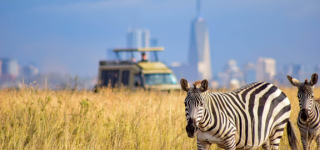
Nairobi National Park is the only National Park in the world that is found in a capital city. It offers a real safari experience just outside Kenya’s capital city. Located approximately 8 to 10 km from Nairobi’s Central Business District, the park is famous for its open grasslands, diverse wildlife, black rhino conservation, and impressive views of Nairobi’s skyline.
Whether you are staying in Nairobi for a few days, have a short stopover in Kenya, or are beginning a longer Kenya safari, a Nairobi National Park safari gives you an opportunity to see wild animals without travelling far from the city.
The park was gazetted in 1946 as Kenya’s first national park and covers approximately 117 square kilometres. It is home to more than 100 animal species and more than 400 recorded bird species, including four of Africa’s traditional Big Five: lion, leopard, African buffalo and rhinoceros. Elephants are not resident in this Park.
From early-morning Nairobi National Park game drives to wildlife photography, bird watching and conservation experiences, the park offers a unique combination of wilderness and urban scenery.
Book a Nairobi National Park Safari or WhatsApp +254-753-029-209.
Nairobi National Park at a Glance
| Feature | Information |
|---|---|
| Location | Nairobi, Kenya |
| Established | 1946 |
| Area | Approximately 117 km² |
| Distance from Nairobi CBD | Approximately 8–10 km |
| Main road access | Lang’ata Road |
| Management | Kenya Wildlife Service |
| Wildlife | 100+ animal species |
| Birdlife | 400+ recorded species |
| Big Five | Lion, leopard, buffalo and rhino |
| Main activity | Game drives |
| Opening hours | 6:00 AM–6:00 PM |
| Main airports | Jomo Kenyatta International Airport and Wilson Airport |
Nairobi National Park Safari Packages & Kenya Tours

Why Visit Nairobi National Park?
Nairobi National Park offers something few wildlife destinations can match: a genuine African wildlife experience beside a major capital city.
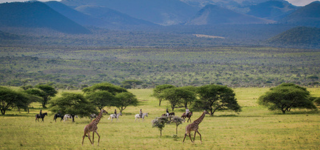
The park’s open plains provide habitat for lions, leopards, rhinoceros, buffalo, giraffes, zebras, wildebeest, antelopes, and many other animals. At the same time, Nairobi’s skyline can appear on the horizon, creating a striking contrast between modern city life and protected wilderness.
The park is particularly convenient for travellers who do not have enough time for a multi-day safari outside Nairobi. A half-day or full-day safari can be arranged from a Nairobi hotel, airport or other agreed pickup location.
Nairobi National Park is also an important conservation area, which boosts Kenya tours and safaris. It is particularly recognised for its role in rhinoceros conservation and provides an important wildlife refuge close to a rapidly growing urban area. It presents a successful rhino sanctuary story, especially its importance for black rhino conservation.
While visiting the park, you can combine the following activities:
- Wildlife viewing
- Game drives
- Rhino conservation
- Bird watching
- Wildlife photography
- Scenic landscapes
- Outdoor recreation
- Nairobi sightseeing
Explore Things to Do in Nairobi National Park
About Nairobi National Park
History of Nairobi National Park

Nairobi National Park was gazetted in 1946 and is protected by Kenya Wildlife Service as Kenya’s first national park. Covering approximately 117 km², it contains a variety of habitats that support diverse wildlife close to Nairobi.
The park’s landscape includes open grass plains, woodland, riverine areas and other habitats that provide food, water and shelter for wildlife.
Its location has made it an important part of Nairobi’s identity. The park protects wildlife while allowing residents and visitors to experience nature without leaving the metropolitan area.
One of its most important conservation roles is protecting rhinoceros. Nairobi Park has long been associated with Kenya’s rhino conservation efforts and remains a significant sanctuary for these threatened animals.
The park also has important historical landmarks, including the Ivory Burning Site, which represents Kenya’s long-standing commitment to wildlife conservation and opposition to the illegal ivory trade.
Today, Nairobi National Park is managed by Kenya Wildlife Service and welcomes visitors for game drives, wildlife viewing, nature experiences, outdoor activities and organised events.
Wildlife in Nairobi National Park
It is home to more than 100 animal species, making it an excellent wildlife destination despite its relatively small size. A game drive in Nairobi National Park gives you great opportunities to encounter large predators, herbivores, rhinoceros and a variety of smaller mammals.
Some of the wildlife you may see includes:
- Lions
- Leopards
- Black rhinoceros
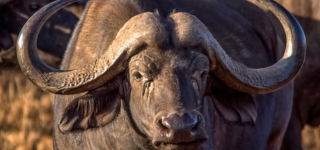
- African buffalo
- Giraffes
- Zebras
- Wildebeest
- Elands
- Impalas
- Gazelles
- Warthogs
- Hippos
- Hyenas
- Jackals
- Ostriches
- Crocodiles
- Other mammals, reptiles and bird species
It is not guaranteed that you will see each of the above animals during your visit, because they move freely within the park and can sometimes be hiding in areas that are hard to reach. Our experienced guides can, however, help you understand animal behaviour and select suitable areas for wildlife viewing.
One of the biggest drives to visit this park is the possibility of seeing large animals against the backdrop of a Nairobi city skyline. It is quite a beautiful experience to be in the midst of these animals and the tall towers of the capital. Personally, this was one of the highlights during our last company visit in June this year! I still drool at the photos:)
See the Complete Guide to Nairobi National Park Animals
The Birds
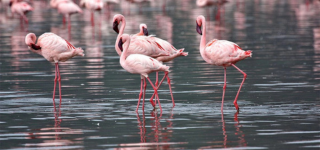
It is also an important birding destination. There are currently more than 400 bird species recorded in the park. This makes it an attractive destination for bird watchers as well as visitors primarily interested in mammals.
The park’s grasslands, woodland, riverine habitats and wetlands support a variety of resident and seasonal bird species. Bird watching can be combined with a normal game drive, while dedicated birding trips allow visitors to spend more time identifying and photographing different species.
Some of the birds associated with the park include secretary birds, grey crowned cranes, bustards, eagles, kestrels, and other grassland and woodland species. Read More About Birds in Nairobi National Park
Things to Do in Nairobi National Park
Although game drives are the park’s main attraction, there are several other ways to experience Nairobi National Park.
Wildlife Viewing
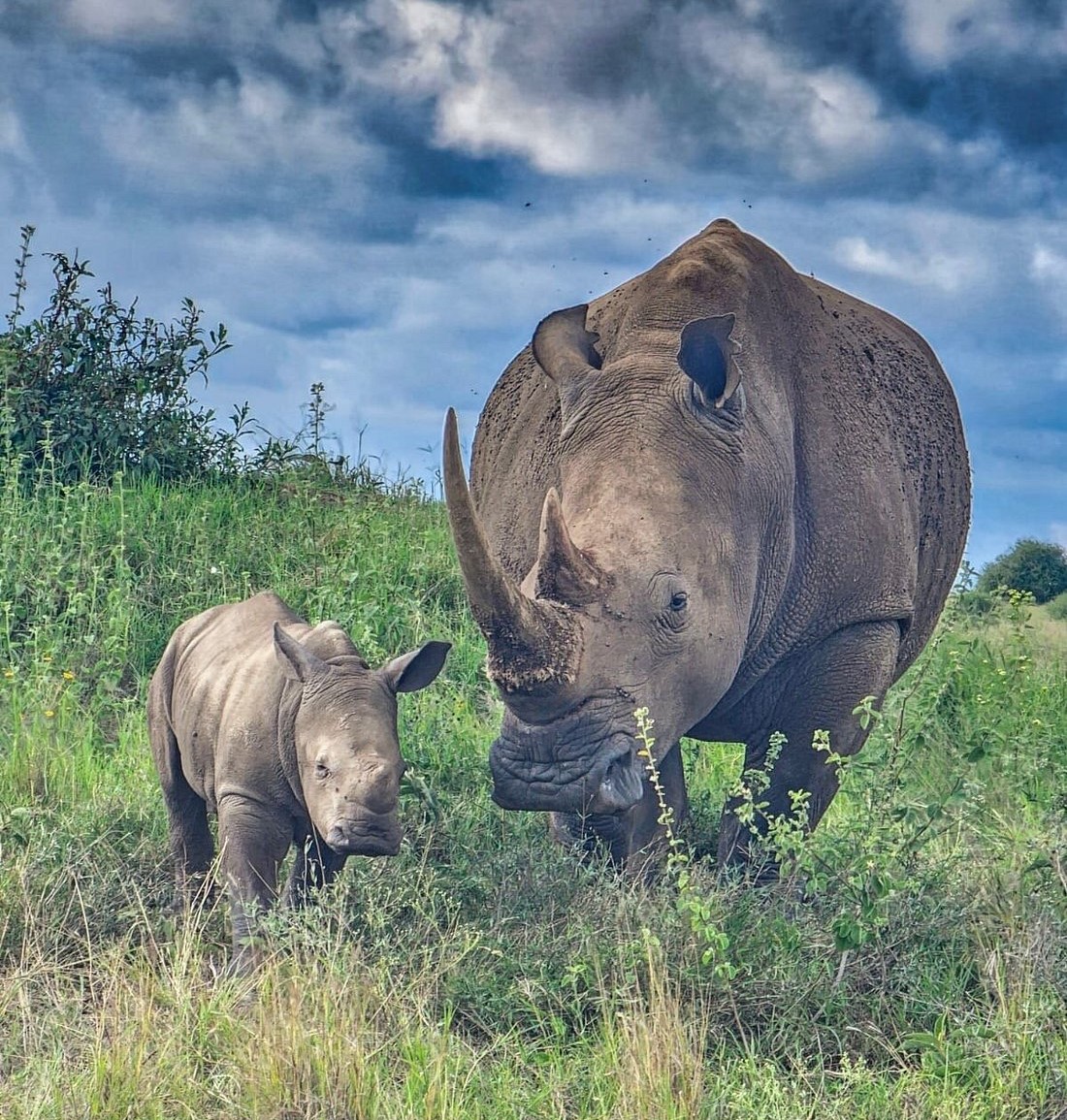 Game drives are the main way to explore Nairobi National Park. During a game drive, your guide will take you through different habitats while looking for wildlife. Early morning drives are particularly popular because temperatures are cooler and many animals are active.
Afternoon game drives can also provide rewarding wildlife encounters. Embark on game drives in search of lions, rhinos, buffalo, leopards, giraffes, zebras, and other wildlife across the park’s different habitats.
Patience is an important part of wildlife viewing. Rather than simply counting the number of animals seen, a good safari gives you time to observe animal behaviour, photography opportunities, and the surrounding landscape.
Bird Watching
With more than 400 recorded bird species, Nairobi National Park is an excellent destination for bird lovers.
Wildlife Photography
The combination of wildlife and Nairobi’s skyline provides unusual photography opportunities.
Ivory Burning Site
Visit one of Kenya’s important conservation landmarks and learn about the country’s history of combating the illegal ivory trade.
Picnics and Outdoor Experiences
The availability of picnic locations and event sites within the park provides opportunities for organised outdoor activities and recreation activities, including corporate team building and adventures.
Nature Experiences
The park offers opportunities for nature walks and other organised outdoor experiences, subject to the prevailing KWS regulations and designated areas.
See All Nairobi National Park Activities.
Nairobi National Park Fees
The park’s entrance fees are set by Kenya Wildlife Service and can change when new government conservation-fee regulations are introduced. The current Nairobi National Park rates are as below:
| Visitor category | Adult | Child/Student |
|---|---|---|
| East African Citizen | KES 1,000 | KES 500 |
| Kenya Resident | KES 1,350 | KES 675 |
| African Citizen | USD 40 | USD 20 |
| Non-Resident | USD 80 | USD 40 |
These are the current rates published by Kenya Wildlife Service. When booking a safari with us, we can explain what is included in your package, including park entry, transportation, guiding, and other services. Because government tariffs can change, you should confirm the latest rates before travelling if you are doing a self-drive safari and making your own payments. See the Complete Nairobi National Park Fees Guide
Best time to visit Nairobi National Park

The park can be visited throughout the year. The best time depends on your interests and the type of experience you want. During drier periods, shorter grass and wildlife movements around water sources can make some animals easier to spot. The greener wet periods can provide beautiful scenery and excellent photography conditions.
For many travellers, early morning is a particularly rewarding time for a game drive because wildlife is often active during the cooler part of the day. Nairobi’s climate can vary seasonally, so it is useful to consider weather conditions when planning your safari. Read Our Guide to the Best Time to Visit Nairobi National Park
Dry season –June to October
It rains very little in the Dry season, although when the first rains fall is changeable. July and August are the coolest months, and temperatures increase in September through October before the rain breaks.
June, July, August & September – Lots of sunshine with very little rain. Afternoons are pleasant with temperatures around 24°C/75°F, but evenings and early mornings are cold with temperatures of around 12°C/54°F.
October – It is warming up a bit with afternoon temperatures of about 26°C/79°F. The short rains might start towards the end of the month, or it might be later in November. Temperatures drop after the rains.
Wet season –November to May
The Wet season is comprised of three distinct parts: the ‘short rains’ from November to December and the ‘long rains’ from March to May, with a dry period separating them.
November & December – ‘Short rains’: October or November sees the start of the short rains, which normally peak in November. Temperatures increase before it rains, drop immediately after, and average at 25°C/77°F in the afternoon.
January & February – The rains dry up in these months, separating the two rainy seasons. It’s the hottest time of year with average afternoon temperatures of 28°C/82°F.
March, April & May – ‘Long rains’: April is the wettest month, and rain might interfere with your game drives. Road conditions deteriorate. The rain diminishes in May, but the roads may still be problematic until later that month. Afternoon temperatures are around 26°C/79°F.
How to Get to Nairobi National Park
Nairobi National Park is easily accessible from Nairobi by road with approximately 8 km from Nairobi’s Central Business District, using Lang’ata Road. The park is also accessible from Nairobi’s two principal airports:
- Jomo Kenyatta International Airport (JKIA)
- Wilson Airport
This convenient location is one of the main reasons why it works so well for short safari experiences. Visitors arriving in Nairobi can go directly to the park, arrange a hotel pickup, or combine the game drive with other activities around Nairobi.
Accommodation in Nairobi National Park

You do not need to stay inside to enjoy a safari because the park is close to the city. There are a variety of accommodation options within the city and nearby places for you to chose depending on your budget.
If you are looking for a more immersive safari experience, it is advisable that you consider lodges and camps in or around the park. There are some privately owned accommodation facilities associated with the park and Nairobi metropolitan area, including properties such as Ololo Safari Lodge and Emakoko Lodge.
The right accommodation depends on your budget, itinerary and departure time. If you are taking an early-morning game drive, staying closer to the park can be convenient. If you are combining your safari with business or sightseeing in Nairobi, a city hotel may be more practical. Read more from our guide to accommodation in Nairobi
Responsible Tourism

The park is a protected wildlife area, and visitors have a responsibility to protect both animals and the environment. You are requested to remain in your vehicle except in designated areas, stay on established roads and tracks, avoid feeding wildlife, maintain a safe viewing distance and observe the park’s stipulated speed limits. Currently, the maximum speed is 40 km/h and the minimum game-viewing distance is 20 metres.
The park is also plastic-free, and single-use plastics are prohibited. When visiting, please observe the following:
- Keep the noise low.
- Do not feed animals.
- Do not chase wildlife.
- Stay on designated roads.
- Follow your guide’s instructions.
- Keep a safe distance from the animals.
- Take all rubbish with you.
- Respect other visitors.
Responsible tourism helps protect the wildlife experience for future generations.
Let us Plan Your Visit
From the anticipation of seeing lions and leopards to black rhinoceros, buffalo, giraffes and zebras, the park offers a unique safari experience. More than 400 recorded bird species add another dimension for birdwatchers, while the park’s history and conservation work make it an important part of Kenya’s natural heritage.
So, whether you have a few hours in Nairobi or want to begin a longer Kenya safari, we can help organise an itinerary around your schedule.
Ready to explore Nairobi National Park? View all Safari Packages
Request a Free Safari Quote | Nairobi National Park TripAdvisor Reviews