
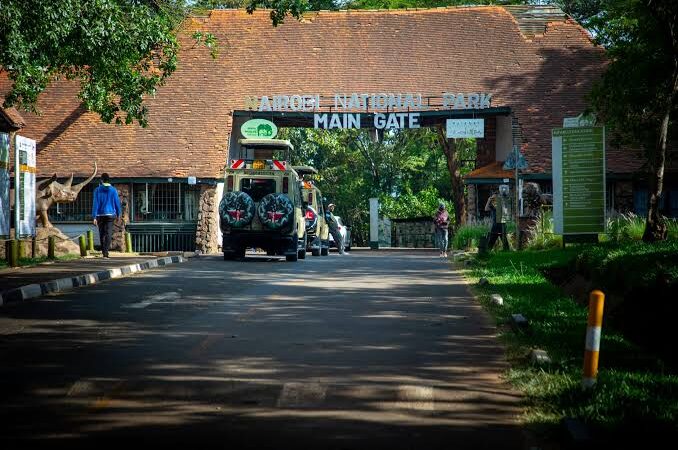
Nairobi National Park is unique safari destination situated just 7 miles from the centre of Kenya’s capital city, Nairobi. Here you can see the critically endangered rhinos against a backdrop of downtown skyscrapers or spot a towering giraffe from your window seat as you land at Jomo Kenyatta International Airport.
For those embarking on a tour to Kenya’s most popular safari destinations such as Nairobi National Park, Amboseli National Park and Masai Mara National Reserve, a Nairobi National Park Safari is worth it, offering you an introduction to Kenya’s fascinating wildlife and birdlife.
For those a layover or just passing through the capital. A safari to Nairobi National Park is an opportunity to get a taste of the wild without ever leaving the city limits.
Safari in National Park
With a size of over 45 square miles, Nairobi National Park is one of the smallest national parks in Africa, yet it holds an astonishing abundance of wildlife including four of the Big Five animals (with elephants being the notable exception), including the endangered black and white rhino.
Nairobi National Park is one of the most successful rhino sanctuaries in Kenya and one of only a few places left in the world where visitors are virtually guaranteed a sighting of the critically endangered eastern black rhino. In addition to lion and leopard, predators in Nairobi National Park include cheetah and hyena, while herbivores range from the Maasai giraffe to Coke’s hartebeest, eland, waterbuck and impala among others.
Safari Experiences to Do on a Nairobi National Park Safari
Game Drives
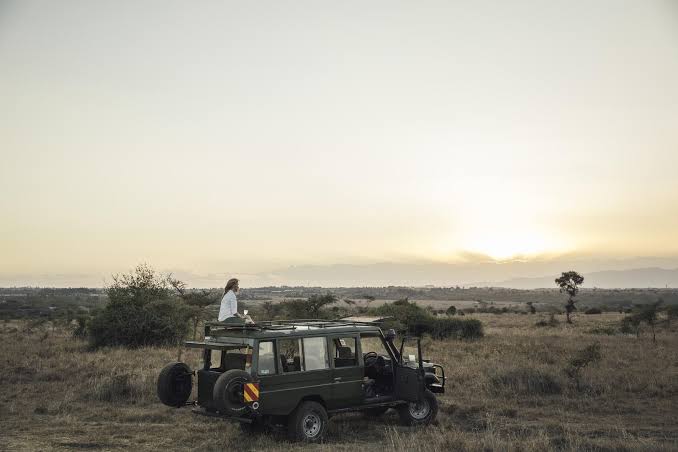
Game drives are the main safari experience to do in Nairobi National Park. Although the park does not offer the most authentic safari experience as other Kenya wildlife spots, the juxtaposition of seeing wild animals in such as incongruously urban setting is a major draw for many visitors.
Visiting David Sheldrick Wildlife Trust
A Visit to the elephant orphanage – David Sheldrick Wildlife Trust is another highlight on a Nairobi National Park Safari. The orphanage was found by Dame Daphne Sheldrick in 1977 as a sanctuary for rescued elephants and rhinos and is located inside the park.
The orphanage welcomes members of the public for one hour in the morning every day to watch the babies being bathed and fed.
Walking Safari
For most part, visitors are prohibited from exiting their safari vehicles while inside Nairobi National Park as there could be a lion hanging out nearby. However, there are several arked spots where you can stretch your legs and walk around, including a scenic picnic area at Impala Observation Point for having lunch.
One of the best walking trails takes you to the hippo pools, where the largest concentration of these aquatic herbivores can be found.
Visit the Ivory Burning Monument
In 1989, former president Daniel Arap Moi ordered the burning of 12 tons of confiscated elephant ivory inside Nairobi National Park as a symbol of Kenya’s zero – tolerance policy on ivory trafficking. The event is commemorated by the Ivory Burning Site Monument and is a must – see spot for conservationists.
Where to stay in Nairobi National Park Safari
Nairobi National Park is conveniently situated close to the affluent suburbs of Langata and Karen, both offering a wide range of accommodation options ranging from comfortable guesthouses to five-star hotels.
Lodges to stay in Nairobi National Park include
-
Giraffe Manor
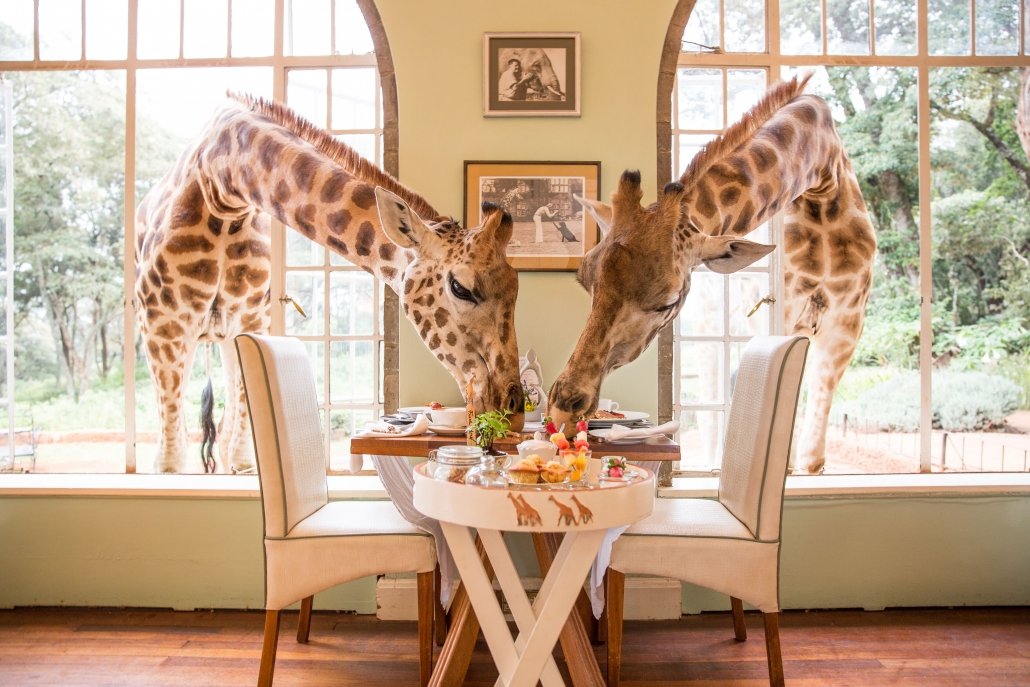
For nature lovers, this boutique hotel is located on the grounds of the Giraffe Center in Langata. This hotel has 12 double rooms outfitted in grand colonial style, this boutique is made special by the Rothschild’s giraffe that roam freely around its grounds.
Staying at the Giraffe Manor also puts you within easy reach of other top
-
Palacina Residential Hotel
This family run hotel is known for its warm and friendly service as it is for a boutique vibe. It is located in the Kilimani neighbourhood not far from the presidential residence, and just 20 minutes by car from the national park entrance gate
-
Emakoko
If you want to experience an African bush in Nairobi, Emakoko safari lodge is about as close as you can get. The 10 – room lodge is located on the southern edge of the national park and far away from the busy city center, so guests can fully disconnect and enjoy the natural side of Nairobi.
Accessing Nairobi National Park
Nairobi National Park is mostly explored from the inside of a safari vehicle, making it accessible for most guests with mobility challenges. However, between the bumpy roads and frequent stops, be aware that a safari is much more physically demanding than just sitting in a safari vehicle.
At Focus East Africa Tours, we are fully dedicated to assisting travelers with disabilities. Our team of experts are available to answer questions about your upcoming trip or even to book a multiday safari around the entire country.
The David Sheldrick Wildlife Trust is found inside the park, it is also accessible to visitors in wheelchairs. It is a short pathway from the parking a lot to the center and even though it is a little bumpy most wheelchair users shouldn’t have a problem.
How to Get to Nairobi National Park
Nairobi National Park is found within the city limits of Nairobi National Park, just 6 miles from the city center. To get to the park you have to have a vehicle. Our Nairobi National Park Safaris include a private safari vehicle with an experienced driver-guide which we used to get to the park for your safari experience.
Also, it is possible to get to the park using public transport, just hop on the bus – Matatu 125 or 126 from Nairobi Railway Station, both of which drop you at the main gate. The journey from the station to the park takes around 35 minutes.
Tips for your Nairobi National Park Safari Visit
- Entering Nairobi National Park with a tour guide is recommended, unless you know where you are going. The guides communicate with each other about animal locations, giving visitors the best chance of seeing the animals that you are most interested in.
- Opt for a vehicle with an open roof for the best unobstructed views of what is around you
- Often, travelers focus solely on spotting lions, buffaloes, rhinos and leopards, but remember there are over 100 other mammals and 400 bird species that you can also see in the park.
- Animals in Nairobi National Park are most active in the early morning and in the evening – especially the big cats. Aim to visit early in the day or late in the day for the best chance to see something exciting.
- The wet seasons are April to June and again from October to November. The roads can get difficult to navigate so hiring a guide is extra important. Also, there are fewer crowds and gorgeous wildflowers in bloom.