Why are cape buffaloes dangerous? You might be forgiven for thinking that buffalo are just big cow-like bovids with erratic helmets from war. These enormous herbivores have the appearance of being quiet, docile, and relatively sedentary animals, similar to cows. They most definitely lack the large, ferocious, scary streak of cats that warns us of impending danger. Buffalo easily graze their way over the bushveld, following their pathfinder to clear pools where they can enjoy long drinking sessions. Simply said, they are herbivores in a herd quietly pacing the veld.Buffaloes are among the large mammals in the big five species that can be sighted on African safari.
The buffalo is the most dangerous of the Big Five. This is why.
Buffaloes, despite their unkempt appearance, are frequently disregarded in lieu of spotting ferocious predators. Don’t let the above deceive you. Furthermore, don’t assume that the buffalo is calm. They play a risky game that has secured them a spot in Africa big 5 , a name that was developed years ago to classify the most dangerous wildlife to pursue on foot. These days, the big five are just marketing terms for the large animals and elusive cats that safari enthusiasts hunt for joy.
Buffalo never forgive. They will find you.
Just like Liam Neeson’s preferred line from “Wanted”, buffalo “Will find you and will kill you”. Well, it may be going too far, but you get the idea. It was formerly stated that more hunters in Africa were slain by buffalo than by any other animal, back when hunting the big five was considered a “thing.” They become hostile and enraged when they are hurt. The next day, they would recall the experience and seek retribution on the hunter. Instead of running away, if they were hurt, they would counterattack by circling around their adversary. If you cross a buffalo’s path in fury, they won’t go away instead, they will attack! An elderly bull beyond its prime is little more than insecure and grouchy, a mother guarding her calf may be deadly, and a buffalo that has been injured can be deadly as well.
Buffalo give no indication of emotion.
They may growl in warning before charging, and they will stalk their victim. Before the ambush, the pride may start to circle. A pretend charging elephant lowers its ears down and lets forth a roar. Even rhinos will show signs of charging, with black rhinos being more violent and territorial. With buffalo, they stand still for a brief while before bursting into motion and trampled everything in their path. A buffalo does not exhibit any signs or changes in conduct prior to charging.
Buffalo are bulky and charge at speeds of up to 50 km.
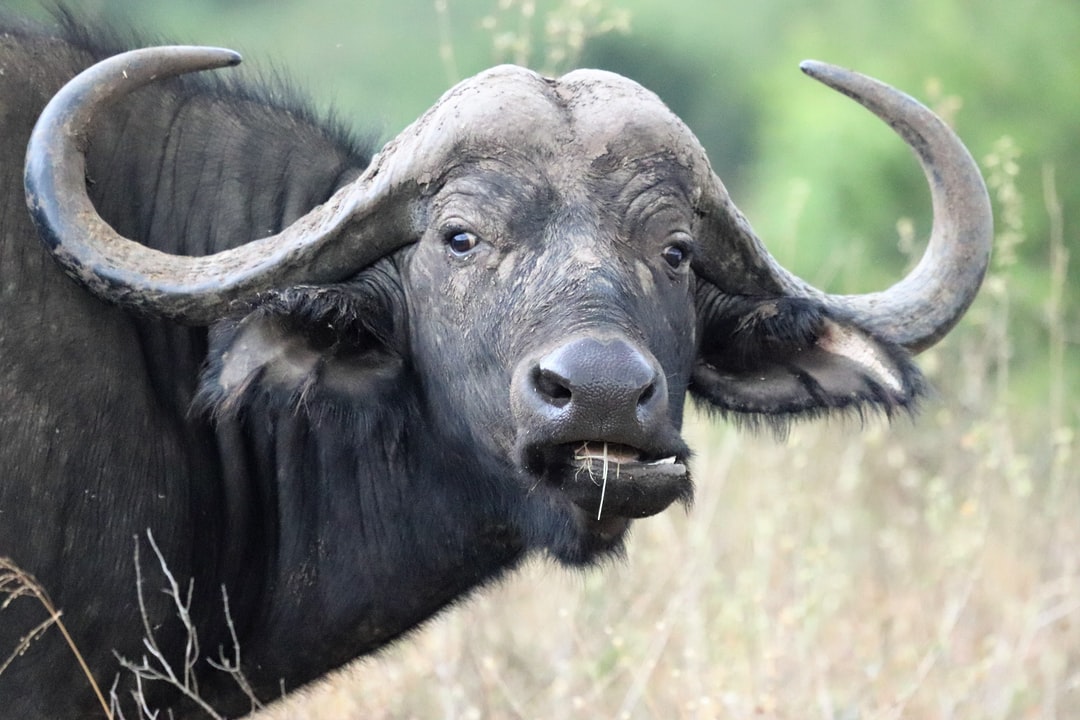
The average speed of the Cape buffalo is 50 km/h. Once their eyes are fixed on you, they will quickly turn to charge. At the last minute he will drop his head, and by then it’s too late.
Dagga Boys (Colloquial Term for Old Bulls) are temperamental.
Old bulls known as “dagga boys” are no longer protected by the herd after being kicked out of it. They usually split off to create close-knit bachelor groups with other attractive lads. They spend days sulking in mud pits and displaying their might. The word “dagga” refers to “mud,” which is essentially where the ancient bulls are located. Dagga boys are large, powerful men with horns that have been deeply engraved from years of fighting and guarding herds.
Take heed of the buffalo. In particular, the elderly bulls that are typically observed in small herds around watering holes! Now that you know about the buffalo, sometimes known as the Black Death, go look for it the next time you’re on a Kenya safari and want to locate deadly creatures.
Nonetheless, we do like to observe them from the security of watering holes and safari cars across Africa!